The Mitsubishi Corporation Summer School in Early Modern Japanese Palaeography held at the University of Cambridge (Faculty of Asian and Middle Eastern Studies, Department of East Asian Studies) has enjoyed twelve years of consistently positive feedback.
Read below testimonials from participants.
Testimonials
Within the short space of two weeks I have become much more able to transcribe primary resources that I am working with in my own research. I was surprised at how quickly I was able to pick up the skills I needed to engage with the material and think that the summer school was excellently structured in order to facilitate this progress. (Arron, 2025)
No matter your level, it Will make your paleography skills improve so if you’re looking for that, this is the place to go. The people you will meet will make your life feel fuller than before. (Francesco, 2025)
This program brings together the most enthusiastic scholars of premodern Japan in the entire world in the same room, creating a community unlike any other. The rigor, combined with the collaborative and enriching environment, is one that cannot be understated. (Daniel, 2025)
1) Not graded; 2) You meet amazing and interesting people that you get to work with and network with; 3) The lecturer is thoughtful, considerate, and is flexible with pacing as long as you communicate. There is genuine love and passion put into the course and everything is very meticulously selected with very comprehensive guides and materials that are genuinely invaluable and I do not think you can find anywhere else; 4) You get to transcribe and access knowledge that is not widely available; 5) The course is intense, but the improvement is noticeable and everyone is showing up passionate and ready to learn; 6) The environment is supportive, not competitive. There is an active effort to prevent that from being fostered and the lecturer and organiser does a great job; 7) There is room for active discussion and interpretation, with people who are native speakers and people who are total beginners.
(Anonymous, 2025)
Professor Moretti created an incredibly intensive, yet intensely fun two-week bootcamp for students and researchers of early-modern Japan. Working alongside classmates from a wide range of institutions and backgrounds, I walked out of each class with a clear sense of improvement. (Julia, 2025)
This summer school is an excellent place to hone Japanese paleography skills for beginners,
intermediates and experts. You will learn how to read, transcribe and translate classical Japanese texts and provide diplomatic and semi-diplomatic texts. The class teacher Prof. Moretti is an an excellent teacher from whom you have an infinite amount of things to learn. Your classmates have a wide range of interests and specializations and working together with them will be just as valuable. This is the second time I have attended and every time I found my paleography skills doubled, my network expanded across the globe, and I made friends for life. Truly an unrivaled experience. ありがた山! (Wouter, 2025)
This summer school is for me was one of the highlights of my year, if not my whole academic journey. The way is it formed and taught is incredible, and any student of Japanese studies would be lucky to experience it. It has incredible material and resources available. You get to dissect a text through multiple layers, something that is very addictive. Absolutely amazing! (Tara, 2025)
Effective. Intense. Practical. Fulfilling. Enjoyable! If you want to learn how to read Japanese handwritten texts and old prints, this is the place to go. You work very hard, in a super friendly atmosphere, under the guidance of experienced teachers, have tons of fun, make friends with students and researchers from all over the world, learn methods of work, get to know the latest AI developments and useful internet resources. 10/10. (Anna, 2024)
The Cambridge Palaeography School is truly one of its own kind! Two weeks. Intensive reading of a variety of fun texts! I came to the program with some training in kuzushiji, and still learnt so so many new skills and tools. There is a reason why people keep coming back to the workshop, again and again! Dr. Moretti is passionate, and incredibly knowledgeable and experienced in this subject. It was also wonderful being able to learn from a diverse group of colleagues. I’d recommend this workshop to anyone who’s interested in early modern Japan and palaeography! (Yiwen, 2024)
The decision to apply to this Summer School is one of the best decisions a student interested in pre-modern Japanese literature can make. The level of dedication to explaining every detail of a given text is admirable and the collective satisfaction of figuring something out is addictive. Even if you are a total beginner, the classes are accommodating and you will never feel left out. I would encourage everyone to apply! (Tara, 2024)
I would wholeheartedly encourage anyone curious about classical Japanese and paleography to apply. Even as a complete beginner, I felt fully supported and encouraged throughout the entire program. The warm, inspiring atmosphere transformed every challenge into a source of joy, and I emerged from each class feeling both confident and energized. Whether you’re a complete newcomer or an experienced scholar, you’ll find a welcoming community where everyone comes together to learn, share, and uplift one another at every turn! (Mengji, 2025)
The summer school is an amazing, intense, challenging, inspiring and hugely valuable experience, and anyone who is interested in using early modern Japanese primary sources in their research should apply. The environment is hugely supportive and encouraging, and even if you are a complete beginner, you will get a lot out of it. You’ll learn so much in two weeks, as well as meeting wonderful people from all over the world. (Leah, 2025)
With a mixture of interactive lectures, group work, presentations, and hands-on workshops, the Cambridge Summer School in Early-modern Japanese Palaeography is an intensive and highly challenging course, but every minute is worthwhile. The course attracts participants from a variety of fields who support each other in differing ways in class, and along with the expertise and friendly encouragement of Professor Moretti and other guest lecturers, working on each set of materials is a truly rewarding team effort. You will come away with valuable skills, precious memories, and friends to last a lifetime. (Corrina, 2024)
If you are adamant on interacting with classical Japanese texts regularly for research, this summer school is the place to hone your skills and learn how best to tackle researching such texts. You will be in good hands, as the teachers here are outstanding and will support you for the full duration of your stay. This summer school is also a great opportunity to connect with other scholars in this field of interest. Bring your enthousiasm and eagerness to learn, and you will not be dissapointed! (Wouter, 2024)
You should apply to the summer school if you want to be able to read kuzushiji/sorobun even if you are in an entry level kuzushiji reader (with to an extent solid bungo grammar). Including the prep materials distributed beforehand via email, the program will walk you through the initial process to be ready to work on pre-modern texts. It is also a great opportunity to have a new friends and academic network with students from all over the world! (Teppei, 2024)
This summer school offers an extraordinary opportunity to read and handle rare materials that you won’t find anywhere else. There is a wide variety of materials and each summer school has its own special theme. This course equips you with the skills to read materials independently in the future. Moreover, you will have excellent teachers and wonderful fellow class members who will be there to learn with you and also support you along the way. (Saranya, 2024)
The summer school offers a previous and unique opportunity for people from different Japan-related fields to effectively learn how to work on early modern Japanese paleography. With the fascinating materials and wonderful colleagues, you will get a lot from the two-week program–skills of reading early modern texts and sorobun; multiple tools to recognize kuzushiji; and many nice friends around the world. (Jiayi, 2024)
Every year I feel my ability to read early modern materials sky-rocket! I truly believe that this is an essential course for anyone who wants to develop their skills in reading early modern Japanese literature and cursive Japanese text. (James 2023)
You learn so much in the few weeks, receiving support from Professor Moretti, guest instructors, and more experienced participants. You also get to meet lovely people with diverse and compelling research interests! It’s also empowering to be able to engage with primary sources without the filter of a transcription or translation. (Anonymous, 2023)
I could not endorse this summer school more. For students and researchers in early modern Japanese paleography, this summer school is a must take. Those in all fields of early modern Japanese studies, this summer school is the best place to study kuzushiji, which is essential for a deeper understanding of the Edo period. Professor Moretti offers a delightful learning experience of incredibly difficult and challenging scripts. (Maya, 2023)
It is great to focus on a specific skill so intensely for 2 weeks together with all these other people that no matter their level and to be able to learn from the texts and from each other is just inspiring and motivating. (Anneke, 2023)
I would say that it is highly challenging, but extremely rewarding! I enjoyed being in an extraordinary group of people and have made lovely friends, who I will keep in touch with probably for life. (Euphemia, 2023)
I’d say if paleography scares you, take this class! You will get the right tools, and will also discover that it can be fun (thanks to Laura Sensei and others!). (Maria, 2023)
This is possibly the most effective course out there to learn as much to read and transcribe early modern Japanese paleography as possible within a short period of time. (Xiangming, 2022)
That it is a welcoming and exciting environment to either begin learning or continue learning! (Anonymous, 2023)
It is an amazing opportunity to be surrounded by motivated and talented scholars in such a supportive environment. It is very intense, but by the end of the program, you will be surprised to see your growth. (Nappa, 2023)
This summer school is an excellent program to learn how to read and transcribe early modern Japanese texts, even for those who are complete beginners. The summer school is also very collaborative, and one of the best parts is getting to work together and discuss the material with the other participants and teachers. (Anonymous, 2023)
This two-week programme perfectly encapsulates the complexity, richness and fun that kuzushiji and early modern Japanese texts have to offer! The work is challenging and equally rewarding–no matter what level you come in with, you’ll most certainly leave having learned something new. Not to mention, I’ve met incredible fellow scholars and life-long friends who I look forward to building my kuzushiji skills alongside in the future! (Kassandra, 2023)
There is a whole world of material waiting for you to read — gaining the skills to approach kuzushiji texts in both wabun and sorobun at the Summer School in Early Modern Japanese Paleography at the University of Cambridge is the first step! (Julie, 2023)
This one of a kind course is a great way to rapidly increase your ability at reading early modern cursive Japanese, meet new people in the field of Japanese studies and related areas, and interact with a range of fascinating primary sources. I hope I am lucky enough to be able to participate again! (James, 2022)
The Cambridge summer school offers excellent instruction in a very challenging discipline. The focus on unlocking meaning, mixture of group and individual work, and support for those at different levels makes it of great value both for development of skills and networking. (Mary, 2022)
The summer school has a lot to offer. You get to learn specialised skills from highly skilled teachers, meet fellow researchers and enthusiasts, learn about the historical context of Japanese books and society, and as a bonus: visit the city of Cambridge. (Elias, 2022)
It’s very intense and effective course. The instructors will guide you on how to read and give you some useful tips. Also, you’ll have wonderful friends and a pleasing environment for studying. (Saranya, 2022)
The program offers the opportunity to learn this seemingly obscure script from the best and most generous teacher who will make it fun, accessible, and interesting in a beautiful and historic setting at one of the best universities in the world. You will also make many new friends and contacts from all over the world in your field. (Maya, 2022)
That it’s the best place to challenge yourself, learn an incredible skill, meet amazing and kindhearted people and have a load of fun! All of that squeezed into two weeks in the amazing heart of Cambridge. (Anonymous, 2022)
If you are a complete beginner to kuzushiji, this is the place to be! What better way to learn than surrounded by such a diverse cohort of rare book sellers, professors, students, curators of different levels but with the same vigorous love for premodern Japanese studies. I felt intimidated at first as a beginner, but quickly realized that everyone around me is learning something new and is extremely supportive of others’ progress. Everyone’s excitement about the texts was contagious, and each little moment of discovery made the many hours of scratching our heads worth every second. (Kassandra, 2022)
The summer school is intensive but worth every bit of the hard work and effort. It brings people from all over the world to engage with and transcribe a wide variety of texts. Through the expertise and encouragement of the Instructor and course participants with varying backgrounds and experience, you gain the palaeographic skills to start decoding early-modern texts by yourself, no matter what your level. Combining inter-active lectures, talks from scholars outside the university, and Japan-related activities, there is something for everyone on this course and it is a fantastic opportunity to delve into the world of early-modern Japanese texts. (Anonymous, 2022)
It is one of the best opportunities to learn how to decode, transcribe, and translate early modern texts in a friendly, and productive environment! It is also a unique opportunity to connect to peers and colleagues from all over the world. (Anonymous, 2021)
If you want a highly charged, challenging, and fun experience for learning kuzushiji, look no further. This program is so thoughtfully planned and expertly run, while also just being thoroughly enjoyable – high energy, fun, efficient, not a moment wasted. It’s go-go-go, in the best way (Nancy, 2021).
Participating in the Summer School in Early Modern Japanese Palaeography is really helped me to expand my knowledge of how to read old Japanese texts. Anyone working with Edo period Japanese language sources would benefit from participating in the course! (James, 2021)
One of the best parts of the summer school is that it not only teaching you how to read early modern texts, but also introduces you to a community of scholars, researchers, and hobbyists from all over the world who you will encounter time and again. (Victoria, 2021)
For any query please write to
Prof Laura Moretti: lm571@cam.ac.uk

Summer School 2025
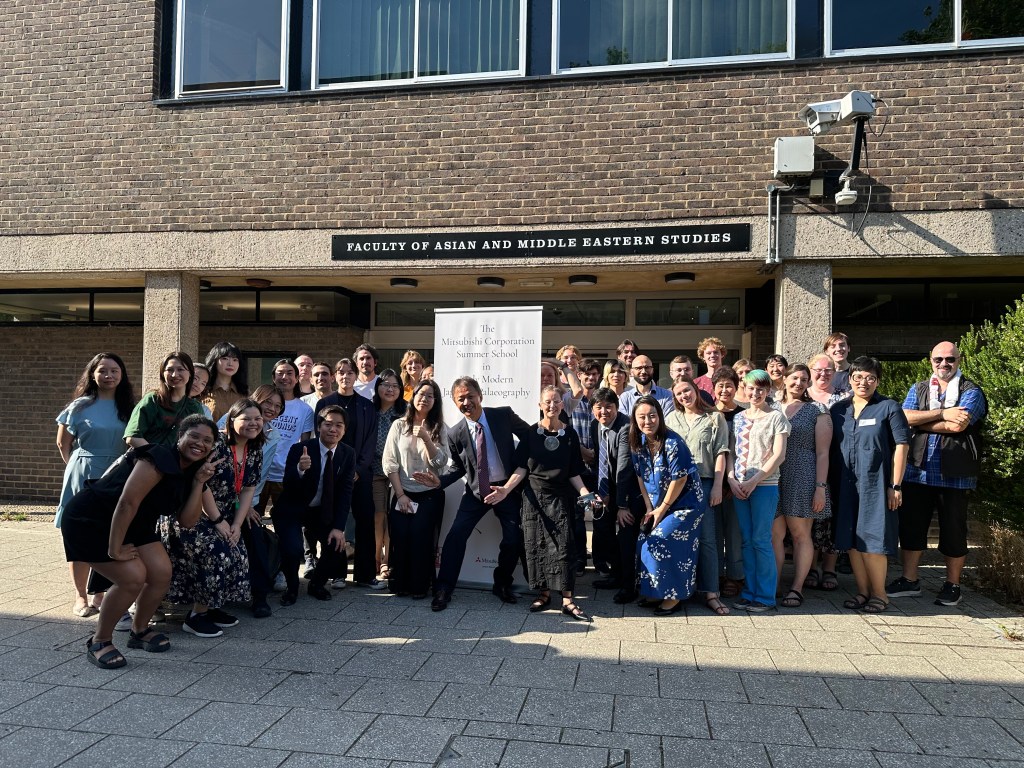
Summer School 2024
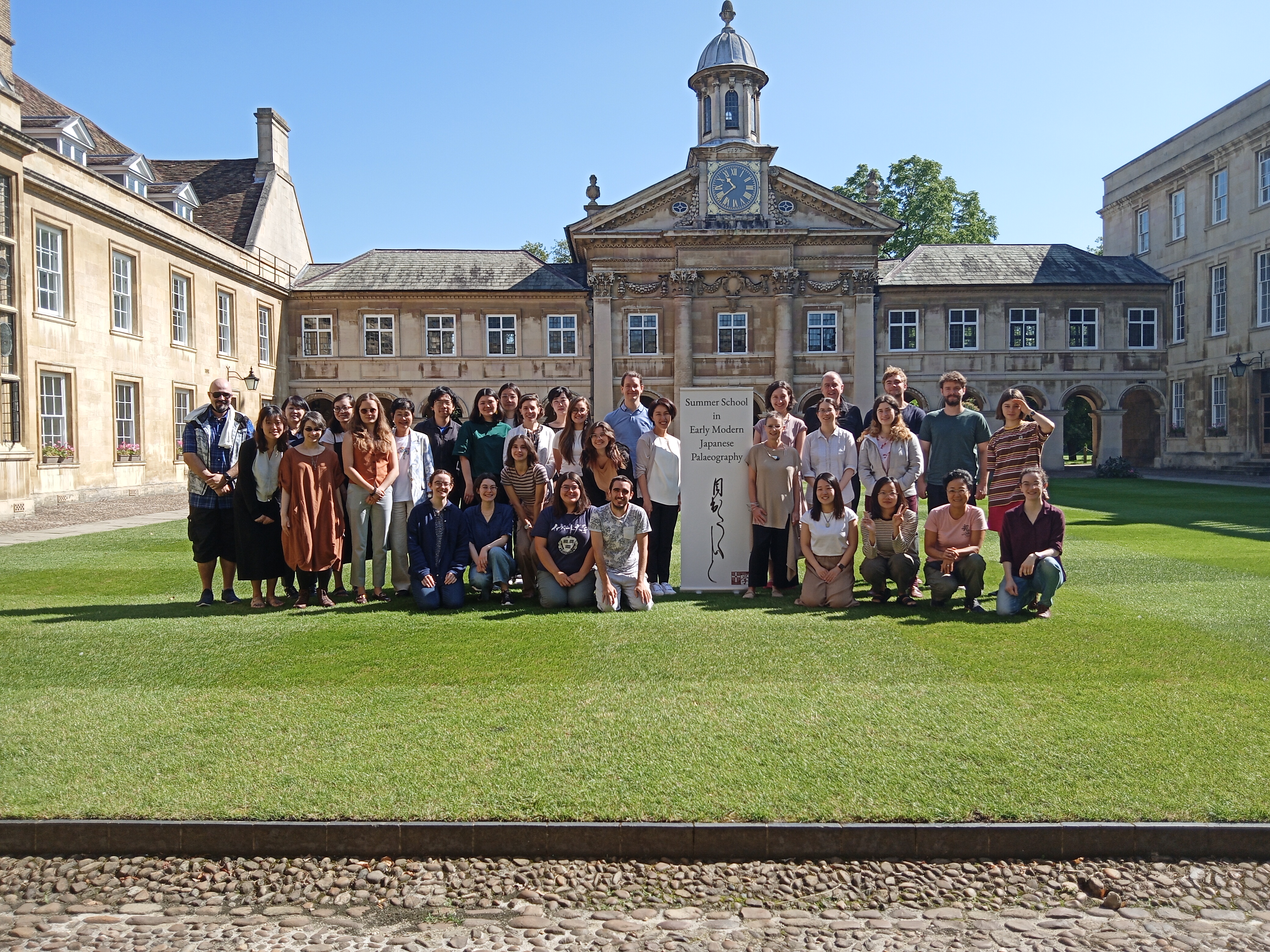
Summer School 2023
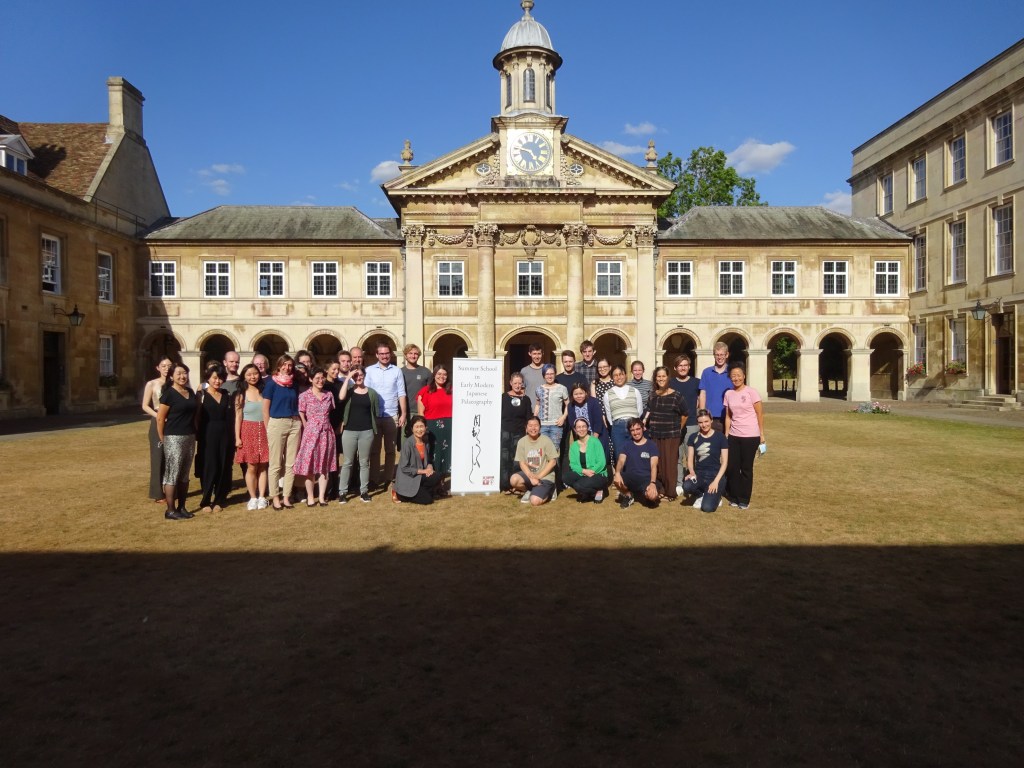
Summer School 2022








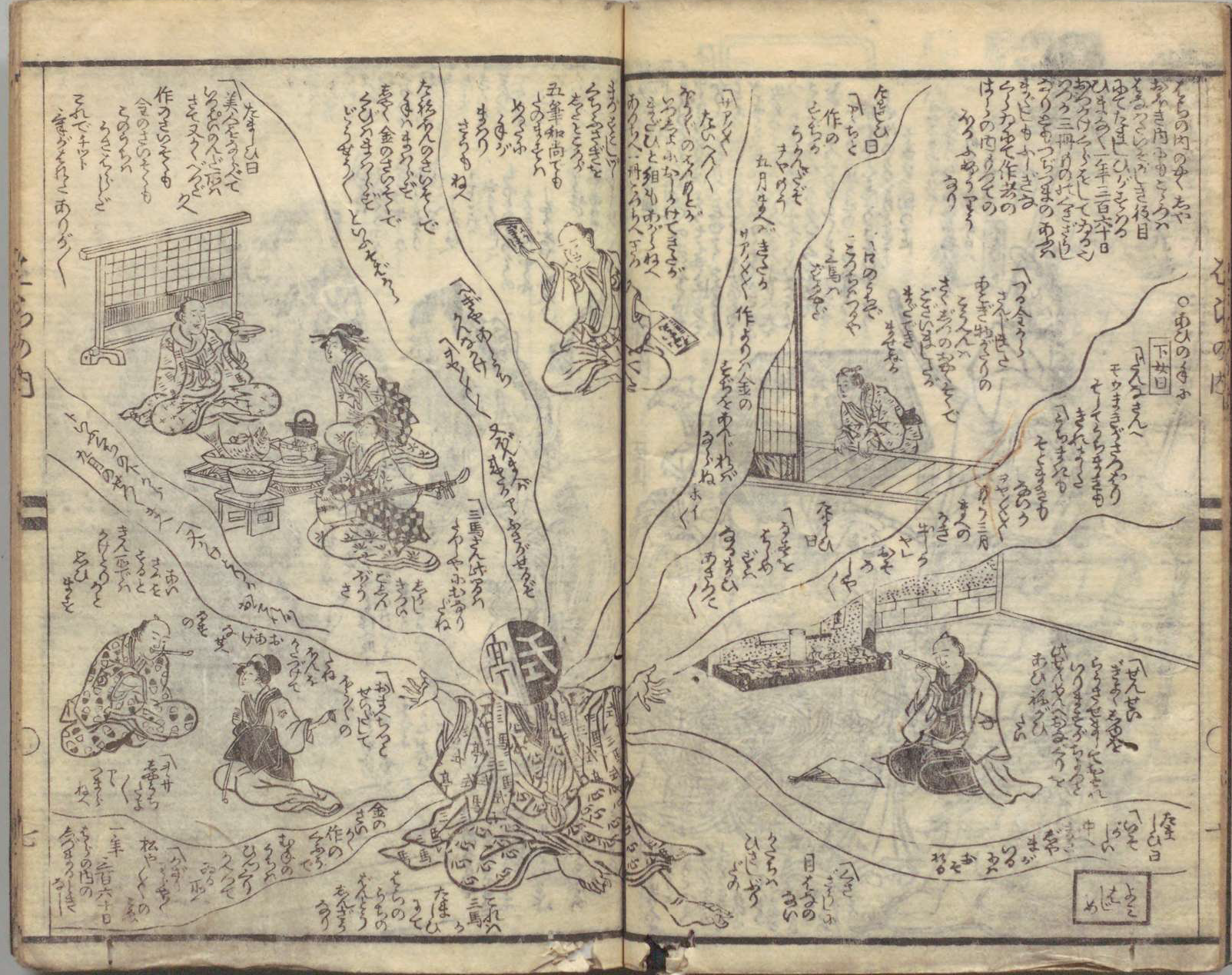
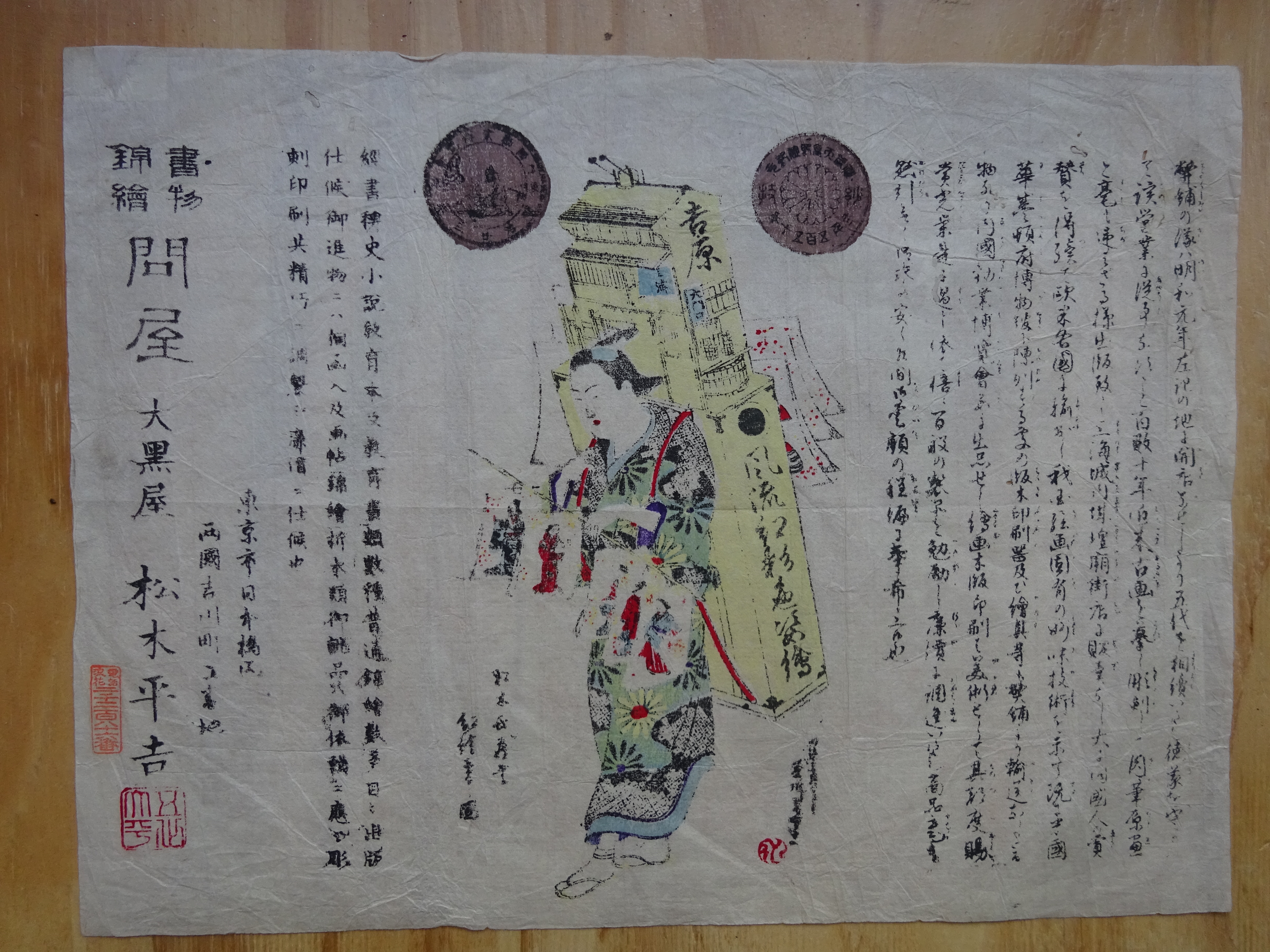
 Japanese Early Modern Palaeography